


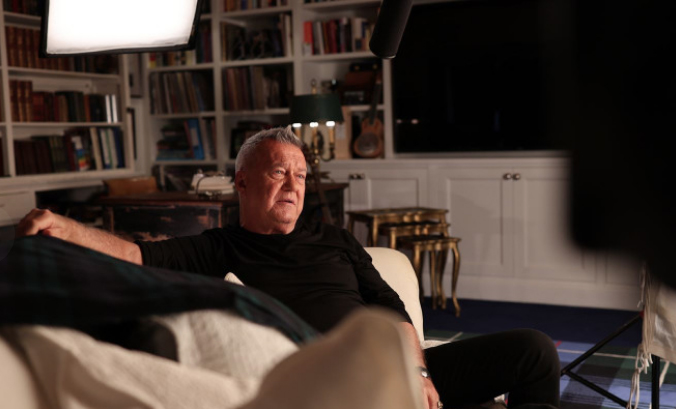
Review: Craig Eriksson
This week Australian Musician attended the World Premiere of Jimmy Barnes: Working Class Man at The Astor Theatre in Melbourne, a feature documentary of the Melbourne International Film Festival (MIFF).
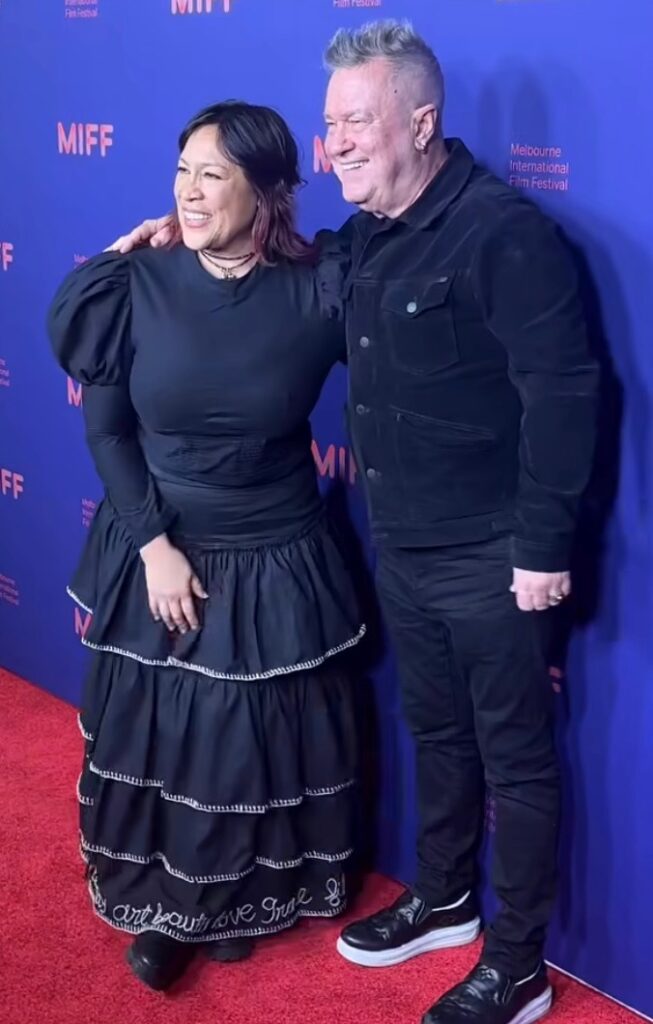
It was a premiere event which saw Jimmy with his wife Jane and daughter Mahalia walk the red carpet with photographers eagerly capturing proceedings. Other special red carpet guests were Film Director Andrew Farrell and singer/songwriter Kate Ceberano.
This film is a continuation of where Jimmy’s autobiography Working Class Boy left off and is a fascinating peek into the adult life and times of Jimmy Barnes the person, the iconic Australian band Cold Chisel member and successful solo artist.
I found this film incredibly powerful, confronting and quite emotional in parts as Barnsey walked us through the ups and downs of his personal journey. This film was an eye-opener, giving us a real insight to Jimmy’s adult life and the inner demons he has been battling for the majority of the time.
I’ve followed Cold Chisel / Jimmy Barnes for most of my lifetime and idolised him as a kid and young adult and wanted to be just like him. He was a hard rocker that was the frontman of one of my favourite bands. He drank heavily, always looked like he was having a wild time and put on the best live shows. Everyone loved Barnsey! None of us fans had any idea of what was driving Jimmy to live life on the edge and party so hard.
But now after reading his book and watching this film, we’re all aware Barnsey’s young life was full of trauma which inadvertently affected his adult life. Having been subjected to a hard knocks upbringing dealing with poverty, domestic violence, sexual abuse, bullying and being surrounded by drugs and alcohol as a boy, this has sadly carried into his adult life and almost destroyed him.
I felt that it was incredibly brave of Jimmy to talk so openly about how his past led him to a life of self-destruction via drug and alcohol abuse and consequently suffering mental health issues.
The film showcased his family throughout and Jimmy was incredibly lucky to be surrounded by the love of his wife Jane Barnes and his children and grandchildren, who have more or less saved him from the inevitable. The film highlighted the fact that family is everything to Jimmy and hearing his wife Jane Barnes, daughter Mahalia Barnes and son David Campbell talk about him, you come to realise that they have been through a lot of hard times together. Fortunately they’ve managed to stay united and come out shining once Jimmy faced and addressed his inner demons and addictions.
The film also highlighted that life as a touring musician is not always as rosy as it seems. Taking his family along with him on gruelling long tours, there was heavy drug use and then financial hardship, where Barnsey had to sell their family home weighed heavily on all of them.
I enjoyed how the film offered cameos of some of Jimmy’s most iconic songs to lighten up the mood and the music tied in perfectly with the stories. Most of these featured songs were performed live in his family home and I noted Clayton Doley was on piano.

I have a new admiration for Jimmy considering how bold he has been telling his story and openly talking about his inner battles. He has become a mental health advocate encouraging men to speak up, confront and talk about their problems rather than bottle them up inside.
It was a beautiful and fitting ending to the film hearing his grand-daughter sing Working Class Man as Jimmy watched on.
The evening ended with a Q&A with Jimmy Barnes and film director Andrew Farrell seated in front of the stage. Andrew asked Jimmy what he thought about the film having watched it for the first time. They also discussed various parts of the movie, providing the audience with a further insight on some topics. For Jimmy, the story continues as he is about to head out on tour for the 40th Anniversary of his Working Class Man album.