


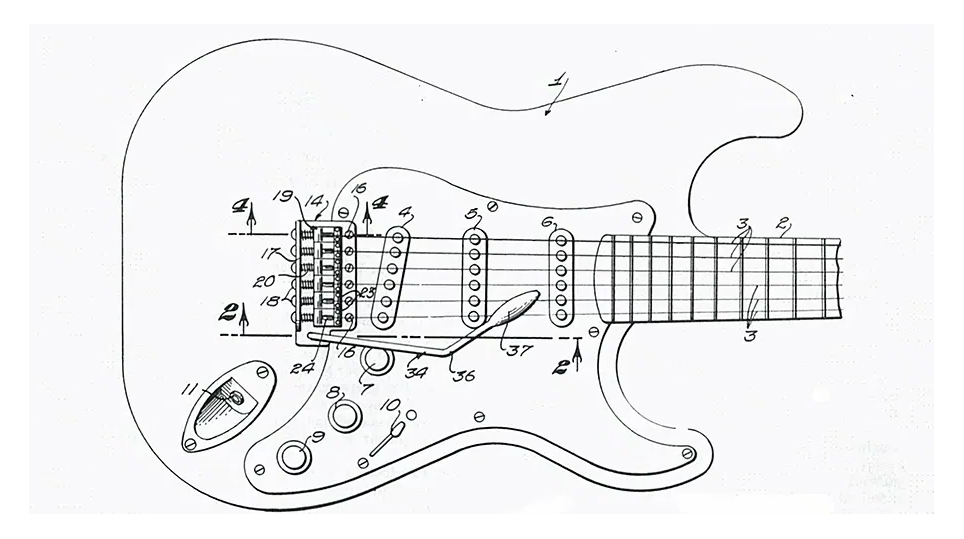
The recent legal win in March by Fender on Stratocaster shape copies signals a potentially major shift for boutique guitar builders, aftermarket manufacturers and offshore copy brands that have long relied on Strat-style body designs. In a further development, Fender’s European lawyers Bird and Bird have started sending out cease and desist orders to builders who they believe are copying Fender’s S-style instruments. The industry is divided on the subject with some saying it’s Fender simply protecting their brand, while opposers are suggesting it could potentially ruin the global guitar industry for everyone.
At the centre of the issue is a ruling by the Regional Court of Düsseldorf in Germany, which determined that the Fender Stratocaster body shape qualifies as a copyrighted work of applied art under German and European Union law. That means Fender’s Stratocaster design is now protected not just by trademarks or design patents, but by copyright, a much broader and longer-lasting form of protection.
The significance for other builders is substantial:
Any company manufacturing, selling or shipping Strat-style guitars into Germany or the EU could potentially face legal action, even if the guitars are made outside Europe.
The ruling specifically targets body shape infringement, meaning builders can no longer assume that changing logos, headstocks or hardware is enough to avoid liability.
Fender has begun issuing cease and desist notices to some manufacturers and sellers following the ruling, signalling that the company intends to actively enforce the decision rather than treat it as symbolic.
For smaller builders, the situation creates uncertainty. Many boutique makers have built businesses around “S-style” or “super-Strat” instruments for decades, often considering the basic Strat body shape part of the accepted vocabulary of electric guitar design. This ruling challenges that assumption within the EU market.
However, Fender has framed the decision as targeted enforcement against direct copying rather than an attack on innovation. The company says it still supports competition and original guitar design, but wants to stop what it considers outright imitation products – particularly low-cost copies sold through global online marketplaces like AliExpress.
“The Stratocaster guitar is one of the most recognizable instrument designs in the history of music,” said Edward “Bud” Cole, Chief Executive Officer of Fender Musical Instruments Corporation. “Protecting the integrity of Fender’s iconic designs is essential to preserving the legacy of the artists and builders who shaped them. This decision reinforces the value of originality and ensures that the authenticity players associate with Fender continues for generations to come.”
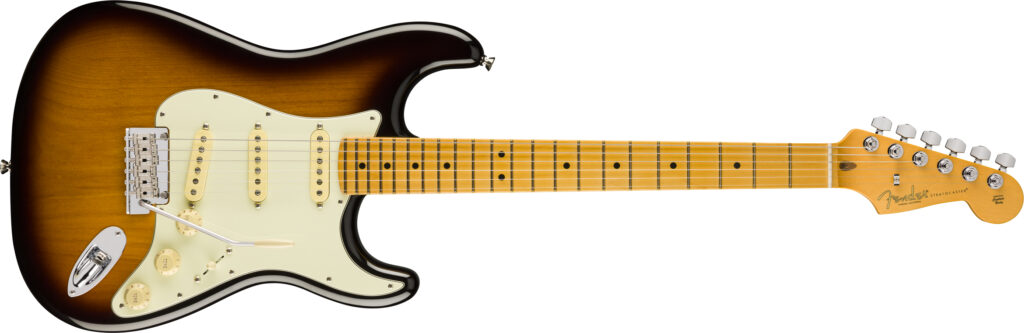
The broader concern within the guitar industry is where the line will now be drawn. If the Stratocaster body shape receives strong copyright protection in Europe, similar arguments could potentially be applied to other iconic instrument designs from Fender or competing brands. That could eventually affect:
– clone-style instruments,
– replacement body manufacturers,
– kit guitar companies,
– import brands,
and even some custom builders producing vintage-inspired models.
At this stage, the ruling applies specifically within Germany and the EU legal framework, not globally. But because many manufacturers sell internationally, the practical impact could reach well beyond Europe.
For legitimate boutique builders, the safest path forward may increasingly involve developing more distinctive original body shapes rather than relying heavily on classic Fender silhouettes.